

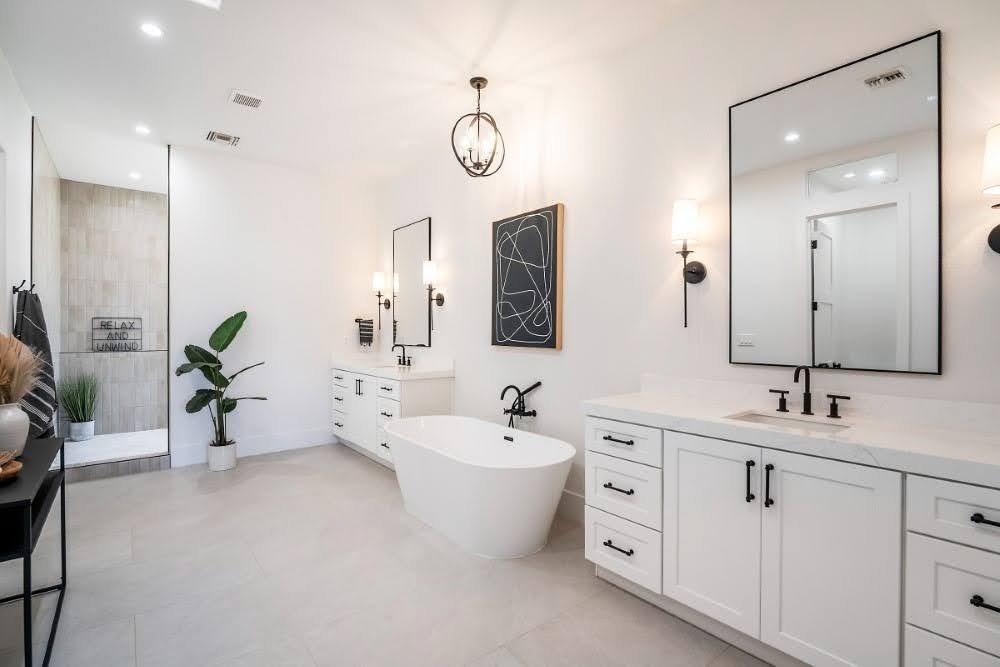
If you’ve noticed chalky white marks, dull film, or stubborn buildup on your tile and grout, there’s a good chance you’re dealing with hard water stains. These stains are a common issue in Athens, GA homes, especially in bathrooms and kitchens where water exposure is constant. At Carpets Unlimited, we help homeowners understand what causes these stains and how to remove them safely without damaging their flooring.
Hard water stains often look worse over time, and if they’re not addressed properly, they can lead to long-term discoloration and surface damage. The key is knowing what you’re dealing with and using the right approach.
What Are Hard Water Stains?
Hard water stains are caused by minerals left behind when water evaporates. These minerals, primarily calcium and magnesium, can settle on tile surfaces and seep into grout lines.
Over time, this leads to:
White, chalky residue on tile surfaces
Cloudy or dull appearance
Rough texture on grout lines
Gradual buildup in high-moisture areas
Because grout is porous, it absorbs mineral deposits more easily than tile. Once embedded, these deposits can become difficult to remove without the correct cleaning method.
Why Hard Water Stains Are Common in Athens, GA Homes
Athens, GA homeowners often deal with hard water combined with high humidity. This combination creates ideal conditions for mineral buildup.
Here’s why:
Frequent water exposure in showers, sinks, and backsplashes
Humidity slows drying, allowing minerals to settle longer
Repeated exposure layers deposits over time
Moisture trapped in grout not only contributes to staining but can also make the buildup harder to remove if left untreated.
How to Identify Hard Water Stains vs. Other Buildup
Not all tile discoloration is the same. Identifying hard water stains correctly helps prevent using the wrong cleaning method.
Signs of hard water stains:
White or light gray film on tile
Crusty or powdery residue
Appears near water fixtures or shower areas
Doesn’t easily wipe away with regular cleaning
Compared to other issues:
Soap scum: usually softer, slightly sticky
Cleaner residue: leaves streaks or film
Mold or mildew: darker spots with possible odor
Understanding the difference helps you avoid damaging your tile with the wrong products.
Safe Ways to Remove Hard Water Stains
Removing hard water stains requires a careful balance. Using the wrong cleaner or too much moisture can damage grout or tile surfaces.
Step-by-step safe approach:
Start by removing loose dirt with a dry cloth or soft brush
Use a mild, tile-safe cleaning solution
Apply gently and avoid over-saturating the grout
Rinse thoroughly with clean water
Dry the surface completely to prevent new buildup
Grout needs extra care because it absorbs moisture easily. Over-wetting can push minerals deeper into the surface and make stains worse.
If buildup is extensive or deeply embedded, professional cleaning can help restore grout safely. You can explore these options through our professional flooring services, which are designed to remove stubborn residue without damaging your floors.
Common Cleaning Mistakes to Avoid
Many homeowners unintentionally make hard water stains worse by using incorrect methods.
Avoid these common mistakes:
Using harsh or acidic cleaners too often
Scrubbing aggressively with abrasive tools
Over-saturating grout during cleaning
Mixing different cleaning products
These methods can weaken grout, dull tile finishes, and leave behind residue that attracts even more buildup.
When Professional Help Is the Best Option
Hard water stains can reach a point where basic cleaning methods are no longer effective. You should consider professional help if:
Stains return shortly after cleaning
Grout lines remain uneven or discolored
Tile surfaces look permanently cloudy
Multiple cleaning attempts haven’t improved results
Professional cleaning can remove deep mineral deposits and restore the original appearance of your tile and grout.
If you’re unsure how serious the buildup is, it’s a good idea to request a free estimate for expert evaluation.
Preventing Hard Water Stains in the Future
Prevention is the most effective way to reduce hard water buildup and keep your tile looking clean.
Simple prevention tips include:
Wiping down tile surfaces after use
Drying shower walls and floors regularly
Using proper ventilation in bathrooms
Avoiding excessive cleaning product use
Sealing grout is especially important. Because grout absorbs moisture, a proper seal helps protect against mineral deposits and long-term staining.
If you’re considering updating your flooring, you may want to browse tile flooring options designed for easier maintenance in high-moisture areas. You can also explore more durable choices when you browse waterproof flooring, which helps reduce moisture-related issues.
Trusted Tile and Grout Care for Athens, GA Homes
Hard water stains are a common but manageable issue in Athens homes. With the right approach, you can safely remove buildup, protect your grout, and maintain a clean, polished look.
At Carpets Unlimited, we’re proud to be a Mohawk ColorCenter® retailer, offering trusted flooring solutions and expert care tailored to Athens, GA homeowners. If you’re dealing with stubborn hard water stains or planning a flooring upgrade, we invite you to visit our Athens showroom or contact our team for personalized guidance and professional support.


